Field Trip
For more detailed information about the field trip, please download the official Field Trip Flyer.
Exploring Egypt's Geological Heritage: The Fayoum UNESCO Global Geopark Candidate
MedGU field trips are designed to be both educational and convivial, combining scientific exploration, field observations, cultural discovery, and memorable social experiences in exceptional settings. This excursion has been prepared by the MedGU-26 Organizing Committee and provides participants with a unique opportunity to experience Egypt's remarkable geological heritage, natural landscapes, and world-renowned cultural landmarks.
Immediately following the conference, participants are invited to join an exciting two-day (one-night) geological field excursion through the Fayoum Depression, one of Egypt's most exceptional natural heritage regions.
This excursion is not only an opportunity to explore the exceptional geological features of the Fayoum Depression, but also to experience Egypt's outstanding natural heritage through its spectacular desert landscapes, unique geomorphological formations, fossil-rich sites, protected areas, and the rich cultural history of the Fayoum Oasis.
The Fayoum region is currently being considered as a UNESCO Global Geopark Candidate, reflecting its exceptional geological, paleontological, geomorphological, ecological, and cultural heritage of international significance.
Entitled "Exploring Egypt's Geological Heritage: Fayoum Depression, Wadi El-Rayan, Wadi Al-Hitan UNESCO World Heritage Site, and Desert Geomorphology," the field excursion will take participants through some of Egypt's most significant geological and geomorphological sites. Participants will investigate the geological evolution of the Fayoum Depression, examine outstanding desert geomorphological features, explore the internationally renowned fossil localities of Wadi Al-Hitan (UNESCO World Heritage Site), visit the protected landscapes of Wadi El-Rayan, and gain a deeper appreciation of the geological, ecological, and cultural significance of the Fayoum region.
This field excursion integrates geology, paleontology, geomorphology, environmental science, archaeology, and local culture, providing participants with a comprehensive understanding of one of Egypt's most significant natural laboratories.
Field Excursion Itinerary
The Fayoum Depression, located approximately 100 km southwest of Cairo, is one of Egypt's most remarkable geological and natural heritage regions. The area preserves nearly 40 million years of Earth history, recording exceptional sedimentary sequences, fossil assemblages, desert landscapes, and distinctive geomorphological features that document the evolution of northern Africa from a shallow tropical sea to the modern Sahara Desert.
Click on each stop below to open and explore its detailed description, highlights, and activities:
Stop 1 – Wadi El-Rayan Protected Area and Lake Qarun
The field excursion will depart from the National Research Institute of Astronomy and Geophysics (NRIAG), the conference venue, at 08:00 on 12 November 2026, with an expected arrival at Wadi El-Rayan Protected Area at approximately 11:00.
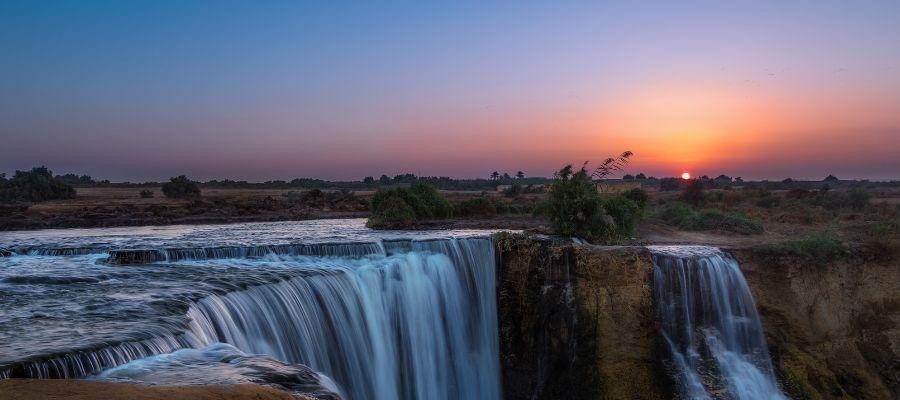
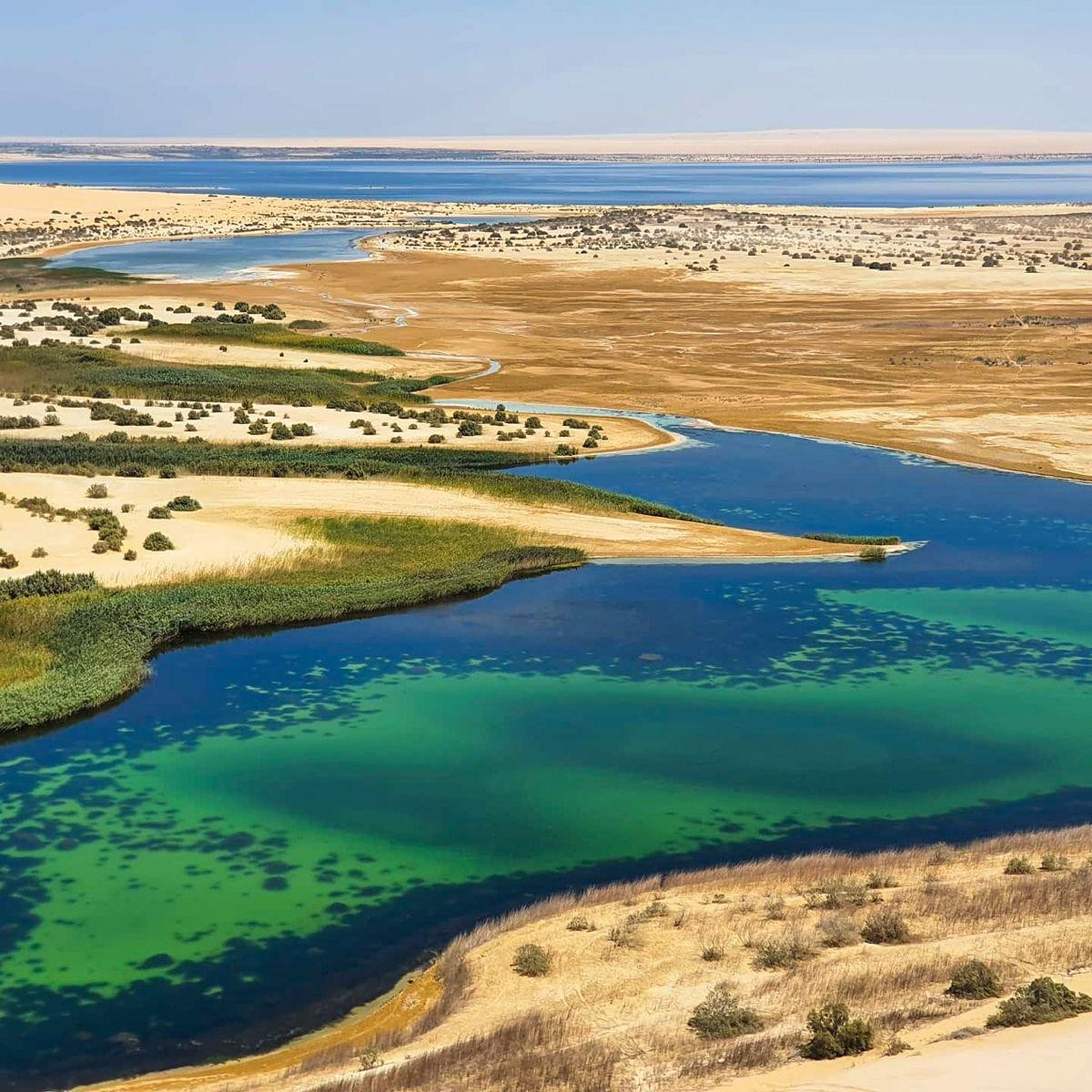
The excursion begins at Wadi El-Rayan Protected Area and Lake Qarun, two iconic sites that illustrate the geological evolution of the Fayoum Depression. Wadi El-Rayan is renowned for Egypt's only natural waterfalls, interconnected lakes, spectacular escarpments, and diverse desert landforms. It provides an ideal setting to introduce the geological evolution of the Fayoum Basin, its regional tectonic framework, and the sedimentary processes that have shaped its unique landscape.
The excursion then continues to Lake Qarun, one of the world's oldest natural lakes and the remnant of the ancient Lake Moeris. The lake offers exceptional insights into the Quaternary evolution of the Fayoum Depression, revealing evidence of paleoclimatic change, lake-level fluctuations, and the complex interactions among tectonics, sedimentation, and environmental processes.
Together, Wadi El-Rayan and Lake Qarun constitute an outstanding natural laboratory for understanding the geological, geomorphological, hydrological, and paleoenvironmental evolution of Egypt's Western Desert.
Stop 2 – Wadi Al-Hitan (Whale Valley) UNESCO World Heritage Site, Gebel El Mudawara, and Fossil Museum
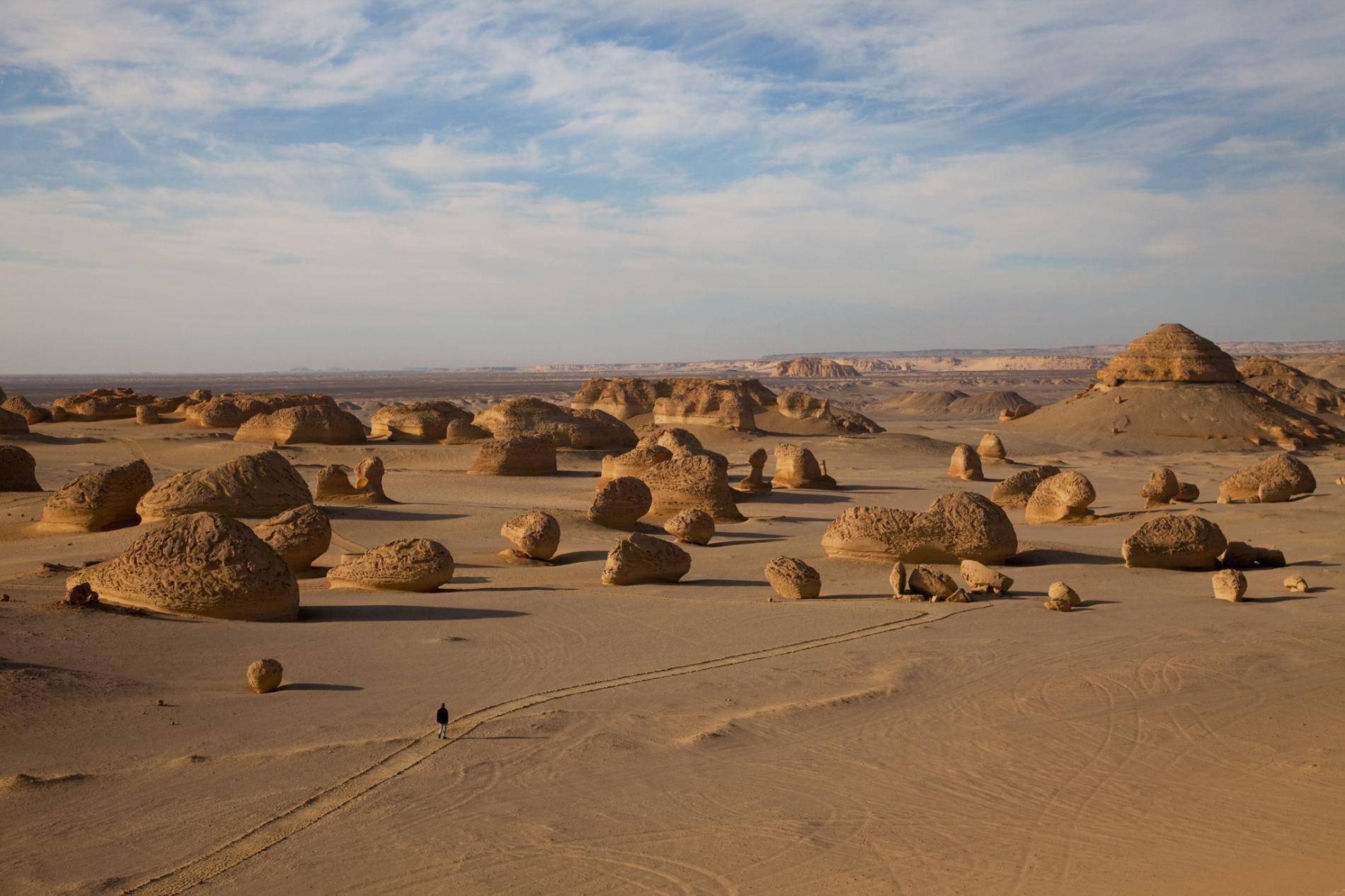
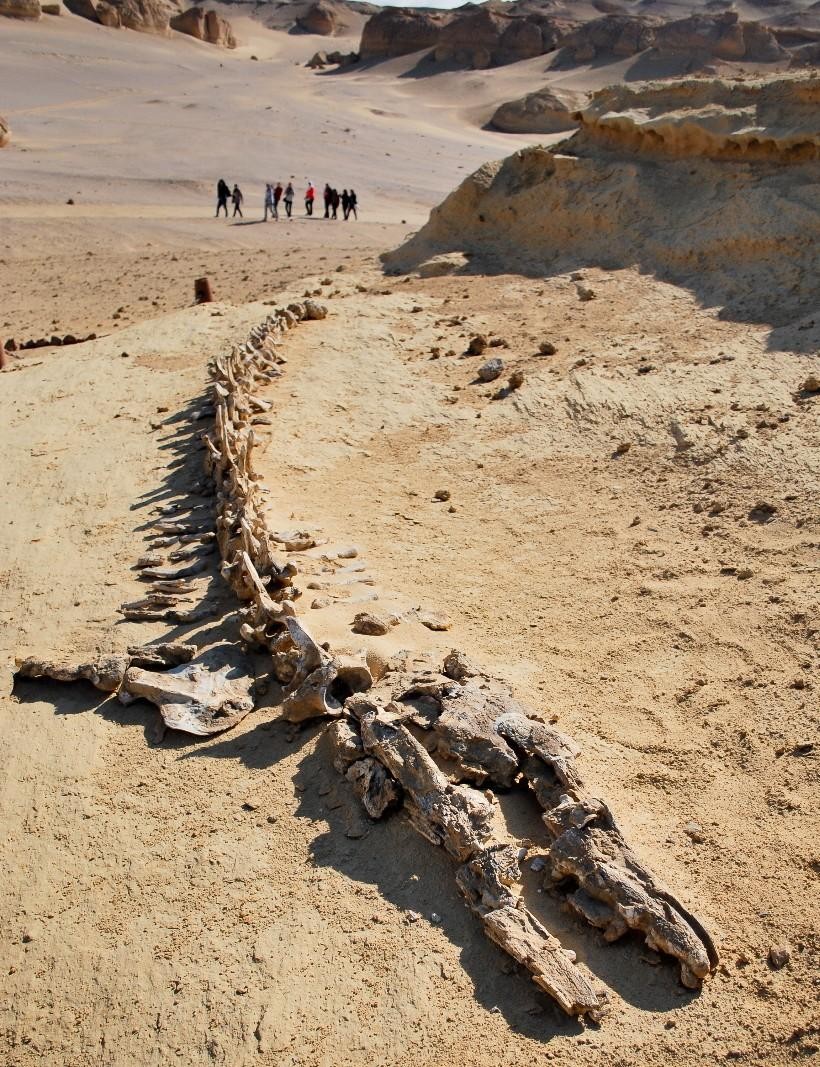
The excursion then continues to Wadi Al-Hitan (Whale Valley), one of Egypt's most internationally renowned geological sites and a UNESCO World Heritage Site. Wadi Al-Hitan contains one of the world's richest collections of exceptionally well-preserved Eocene whale fossils, dating back to approximately 40 million years ago. The site provides outstanding evidence of one of the most significant evolutionary transitions in Earth's history: the transformation of whales from terrestrial mammals into fully marine animals.
UNESCO World Heritage Site
UNESCO World Heritage Site
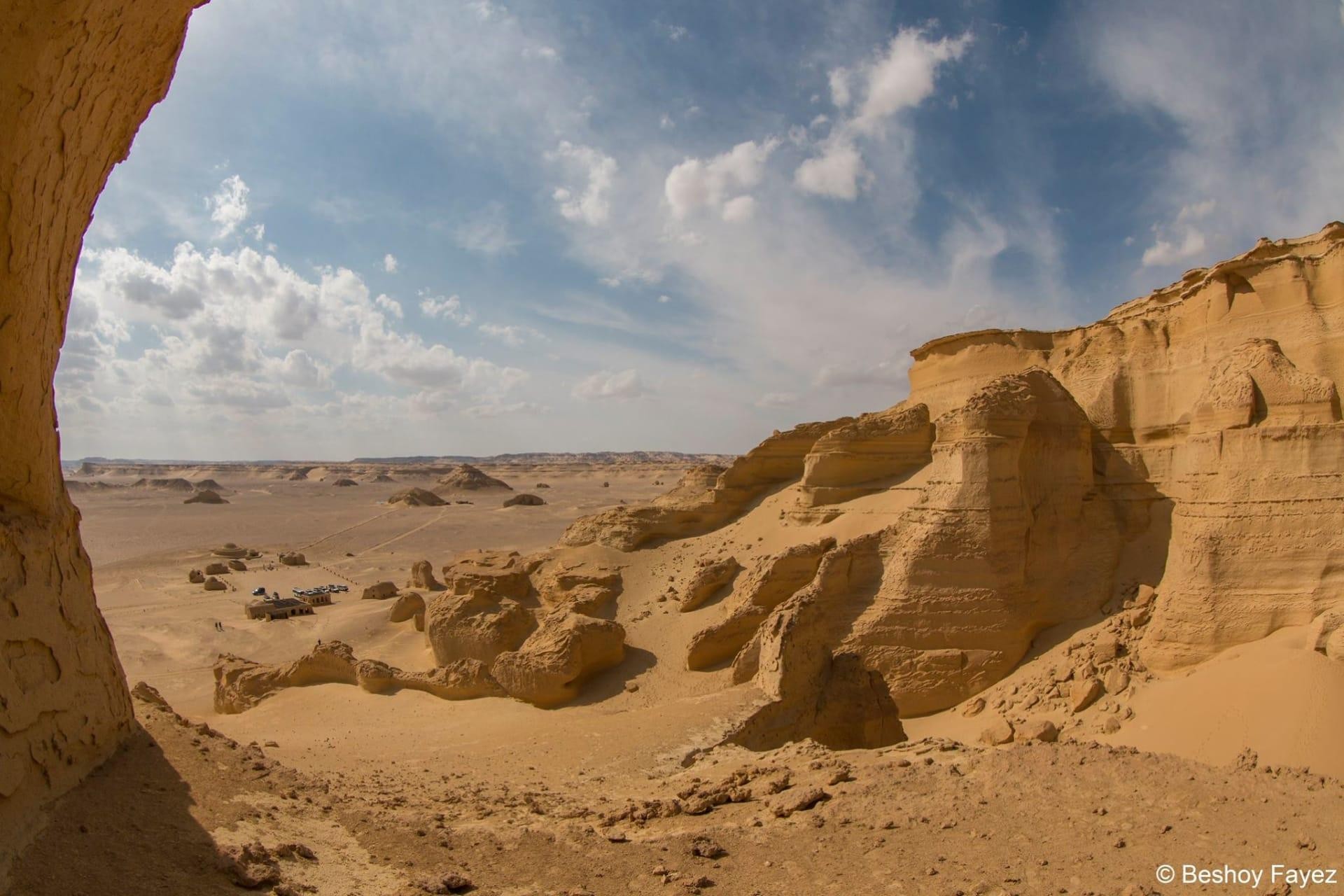
UNESCO World Heritage Site
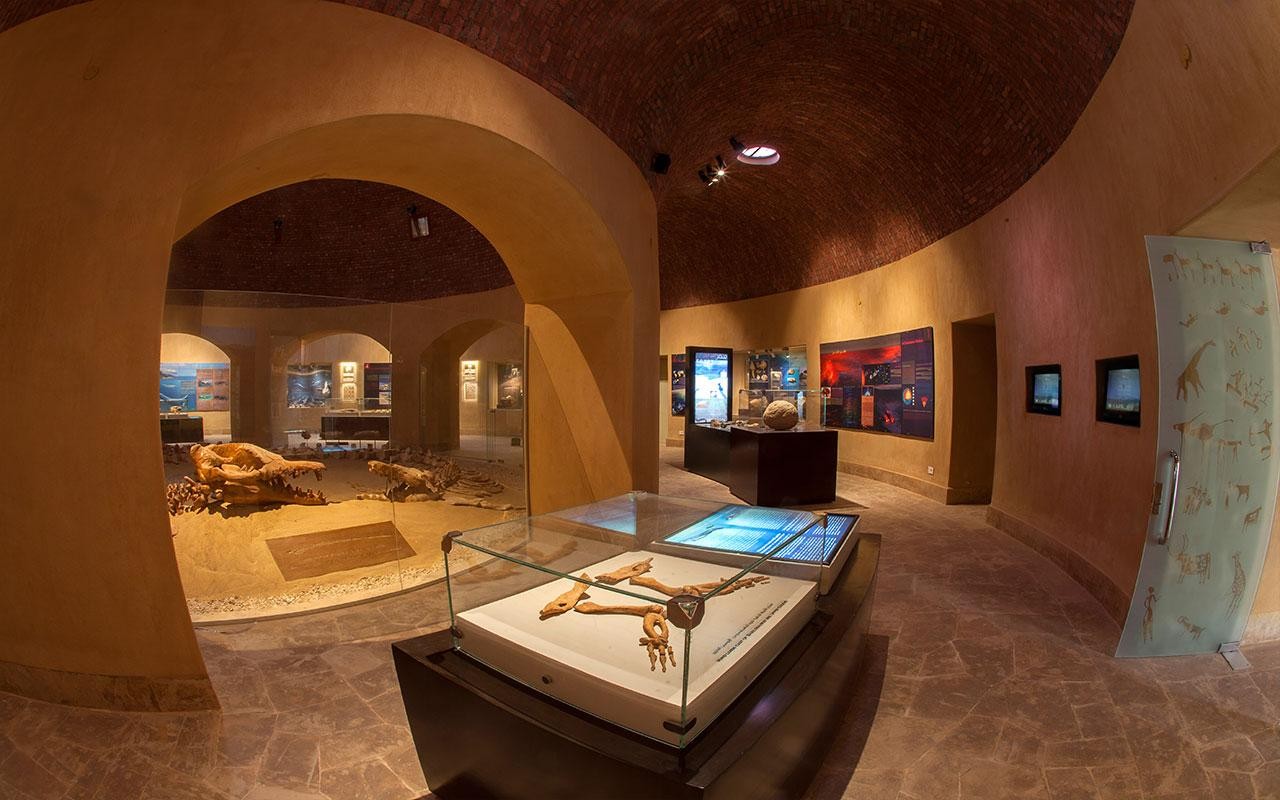
Participants will visit the Fossil and Climate Change Museum before exploring the fossil-bearing sedimentary formations that have made Wadi Al-Hitan internationally significant. During the visit, discussions will focus on the geological history of the Eocene Sea, paleoenvironmental reconstruction, fossil preservation processes, whale evolution, and the climatic and environmental changes that shaped the region during the Eocene Epoch.
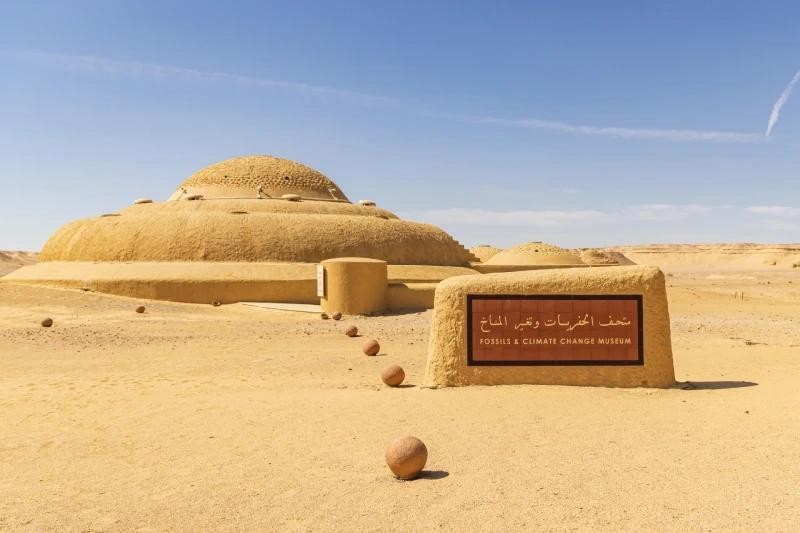
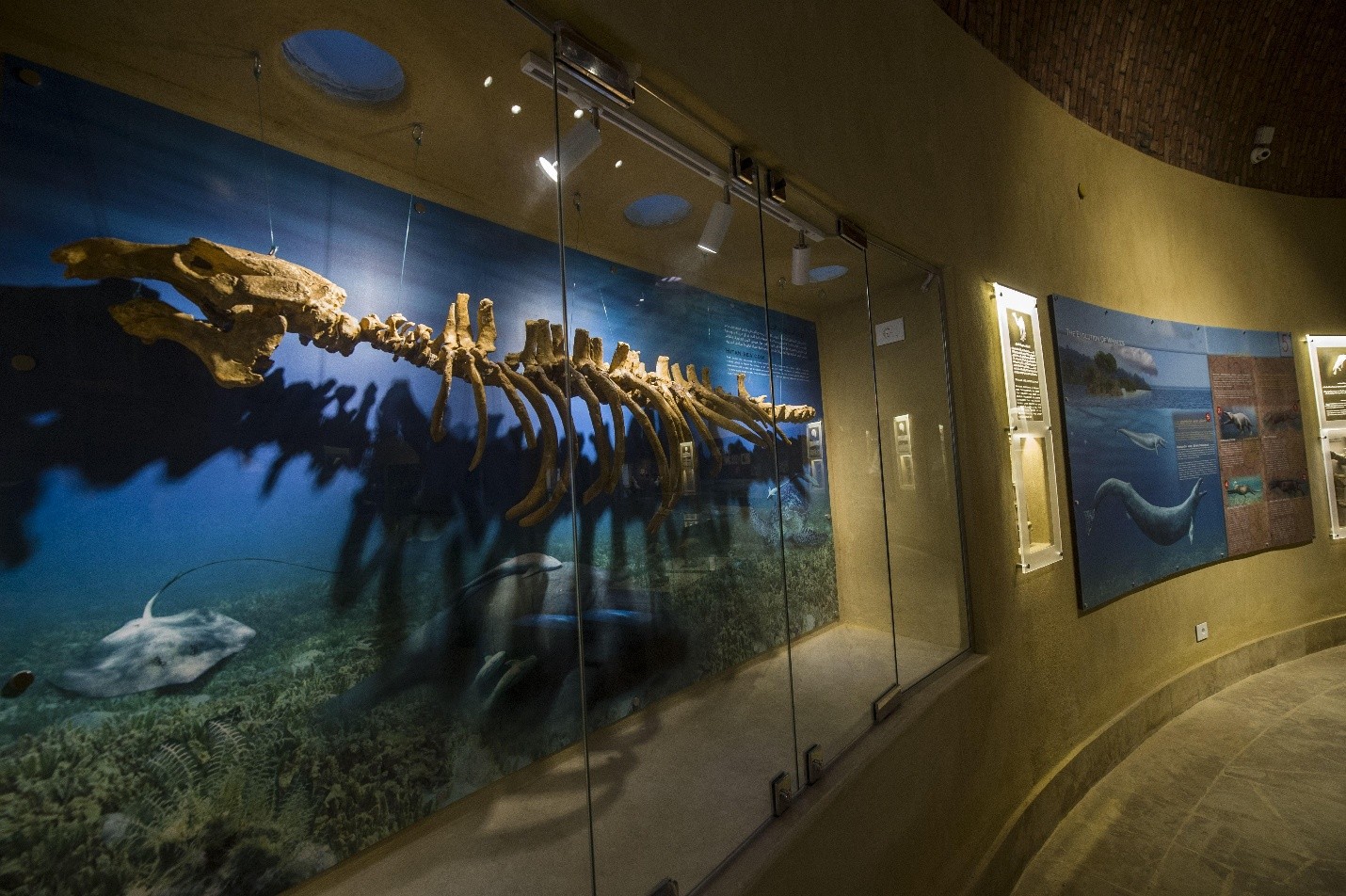
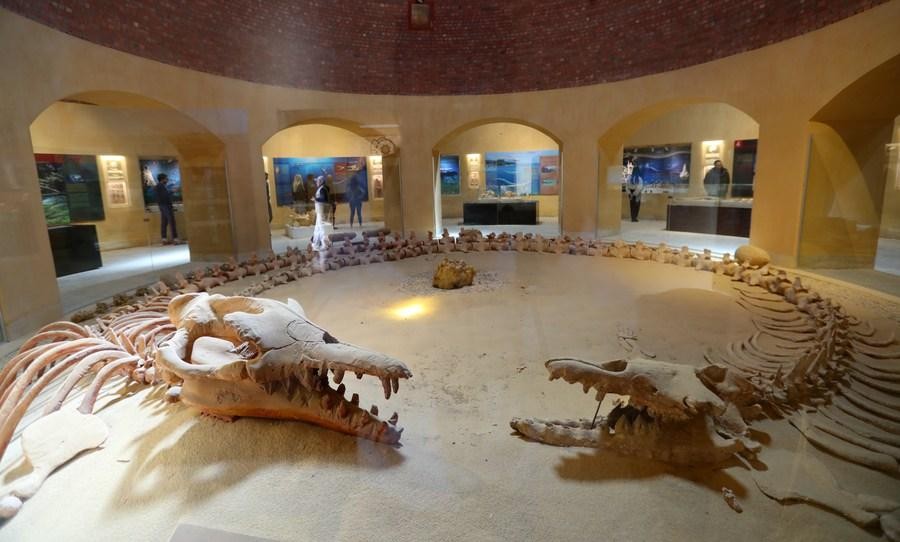
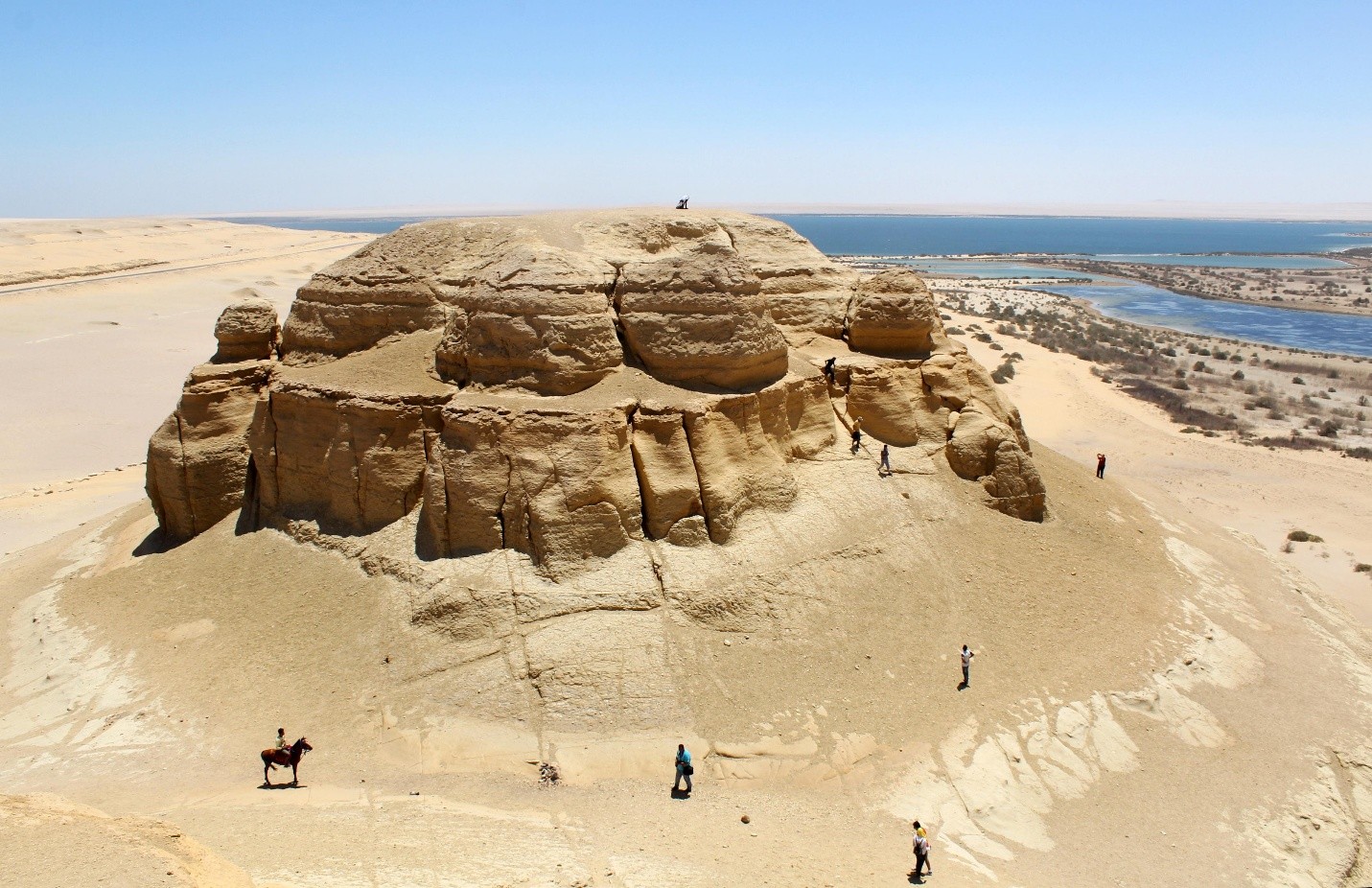
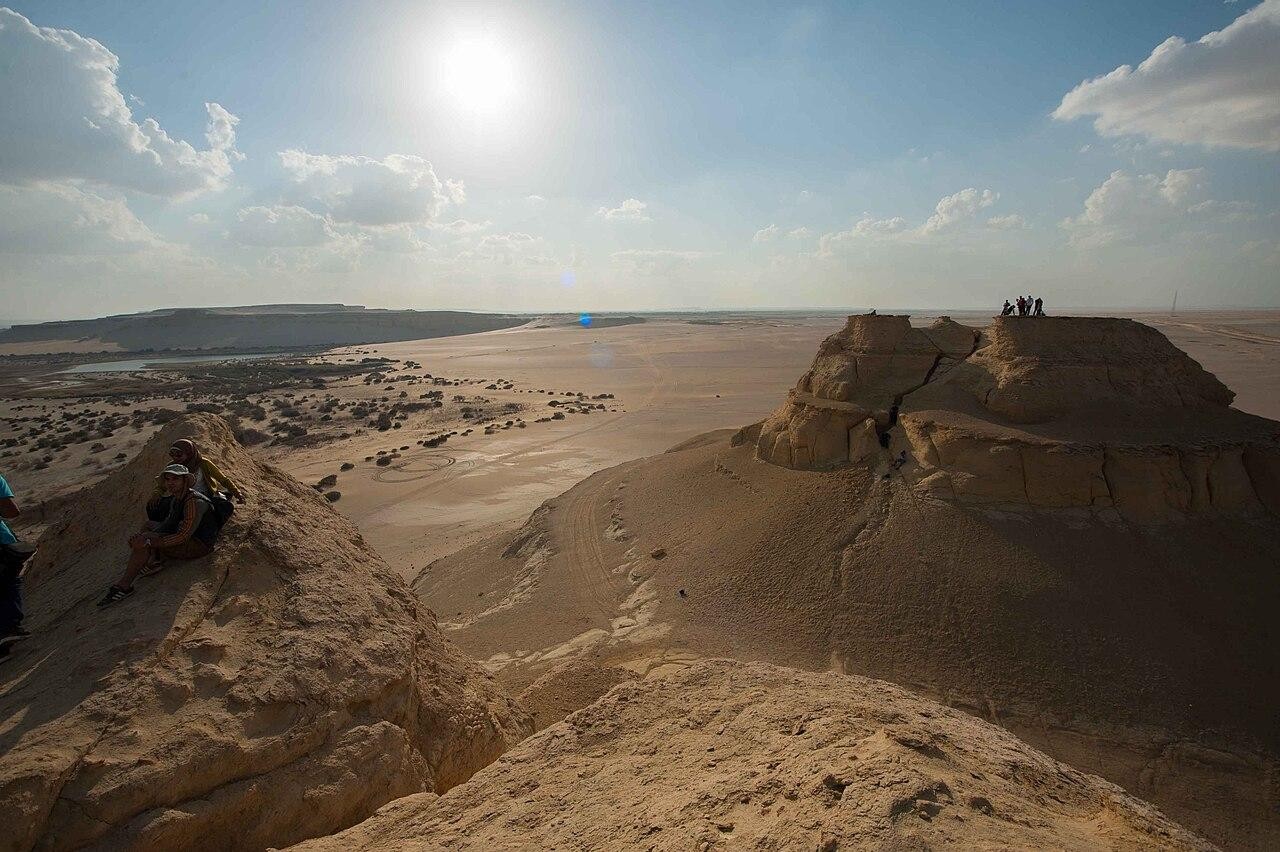
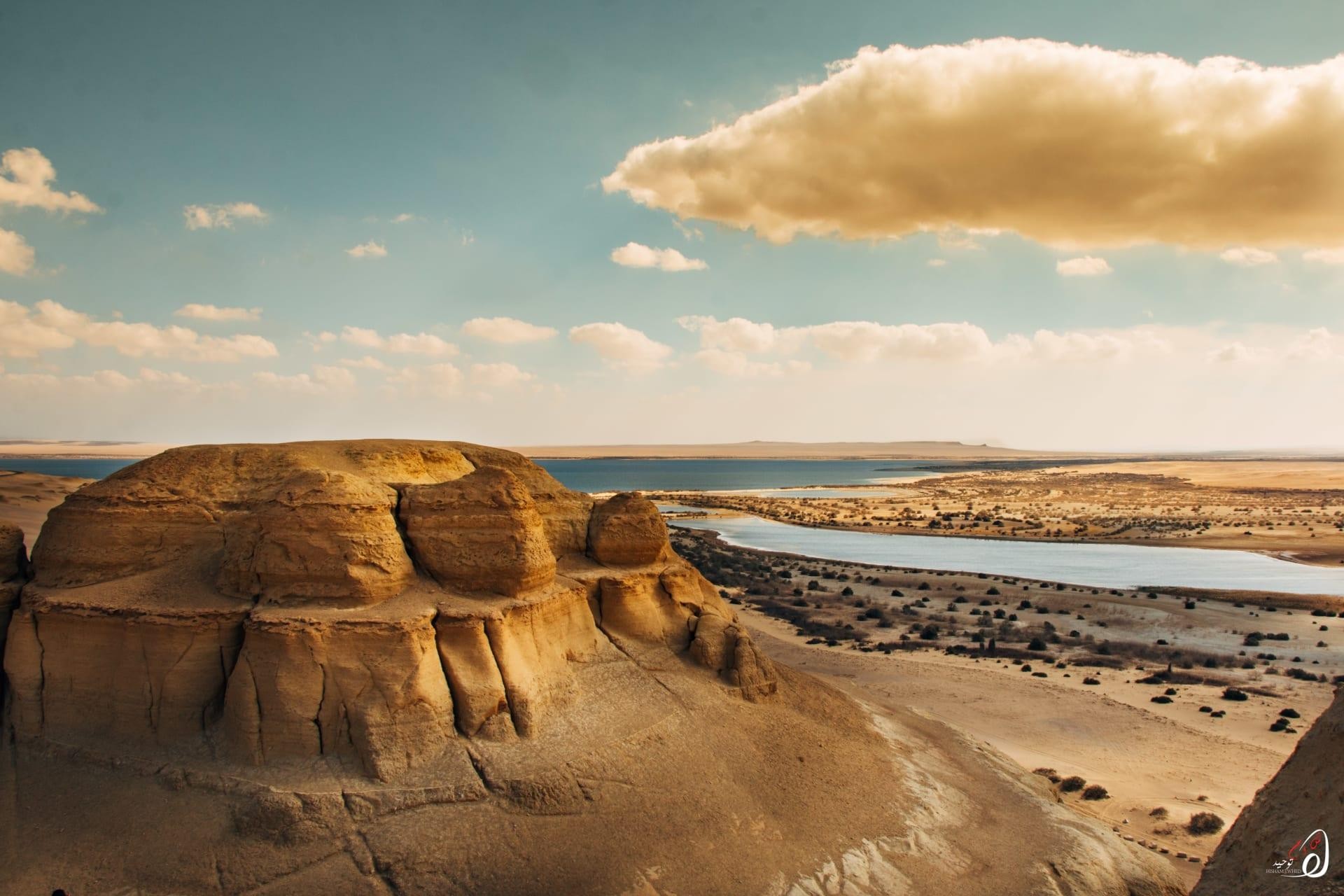
The excursion then continues to Gebel El Mudawara, one of the most spectacular geomorphological landmarks in the Fayoum Depression. Here, participants will investigate sedimentary rock sequences, erosional landforms, structural features, and the geomorphological processes that have shaped the desert landscape, while enjoying panoramic views over Wadi El-Rayan. This stop provides an excellent opportunity to interpret the interplay between tectonics, sedimentation, erosion, and landscape evolution within the Fayoum Basin.
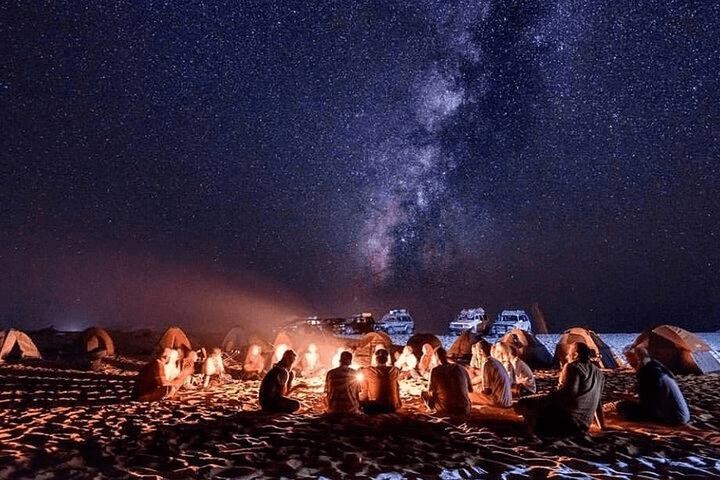
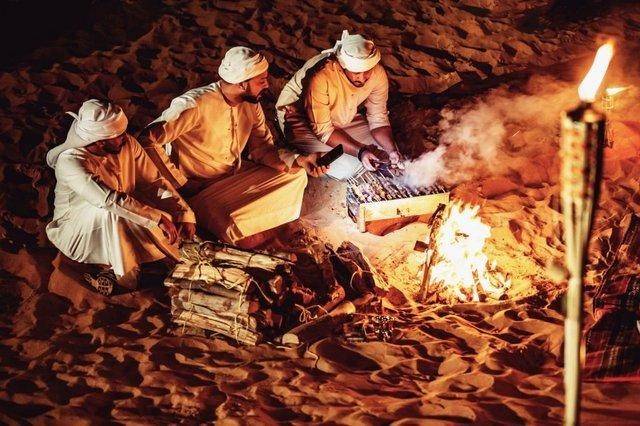
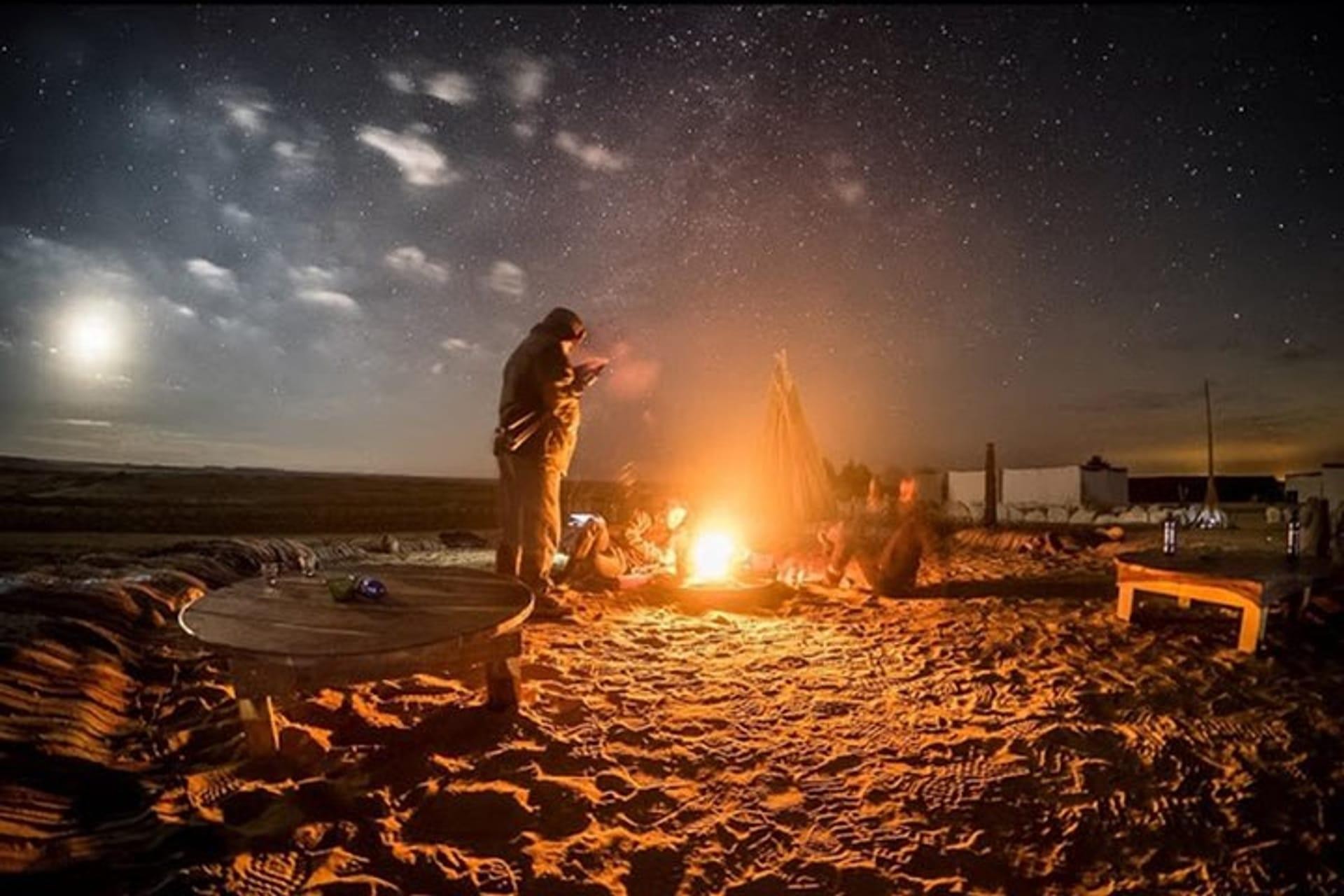
The first day concludes with a traditional Bedouin camp experience, featuring a BBQ dinner, warm local hospitality, and social activities under the clear desert sky. This memorable setting will offer participants an opportunity to relax, connect with fellow attendees, and experience the distinctive traditions and cultural atmosphere of Egypt's desert communities.
Stop 3 – Tunis Village
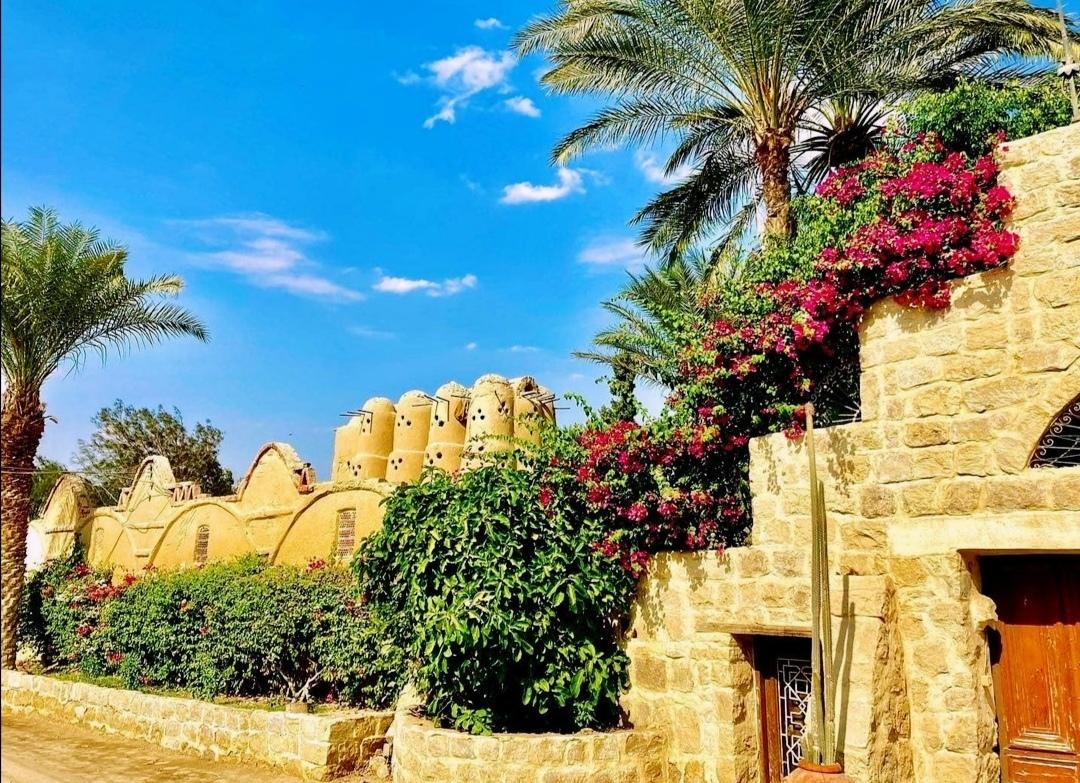
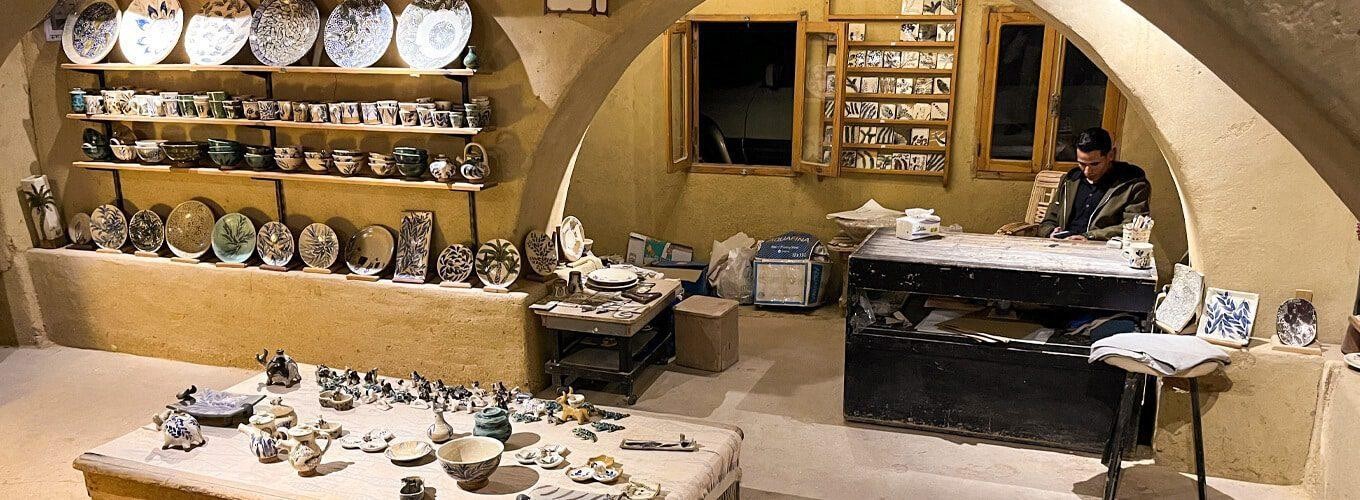
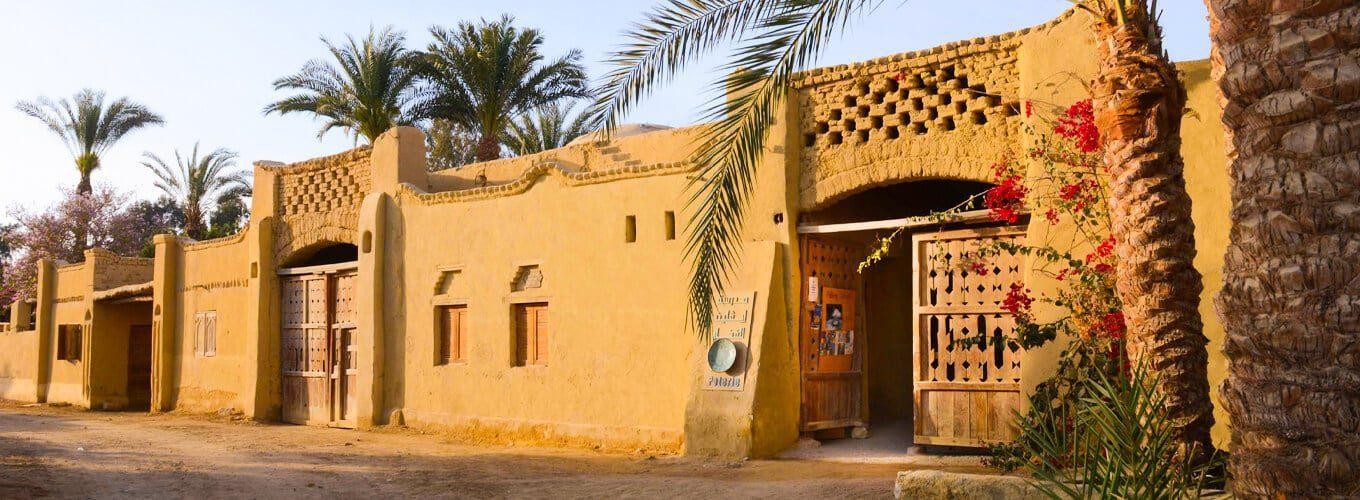
The final stop is Tunis Village, an internationally renowned eco-tourism destination celebrated for its traditional pottery workshops, artisanal craftsmanship, and commitment to sustainable development. The visit offers participants an opportunity to experience the rich cultural heritage of the Fayoum Oasis while exploring a successful model of sustainable rural development that harmoniously integrates local craftsmanship, environmental conservation, and community-based tourism.
This final visit highlights the close relationship between geological heritage, cultural identity, and sustainable tourism, offering participants a memorable and enriching finale to their exploration of the Fayoum region. Overall, the excursion provides a unique opportunity to combine scientific learning with first-hand experience of Egypt's outstanding geological, natural, and cultural heritage, making it an ideal complement to the scientific programme of MedGU 2026.
Following the visit to Tunis Village, participants will depart for Cairo at approximately 15:00, arriving at their hotels at around 19:00, marking the conclusion of this two-day geological field excursion.
Guides

Sanaa El-Sayed
PhD Researcher, University of Michigan, USA

Sanaa El-Sayed is a prominent Egyptian vertebrate paleontologist and researcher specializing in vertebrate paleontology and the evolutionary history of fossil vertebrates. She is affiliated with the Vertebrate Paleontology Center at Mansoura University, Egypt, and pursued her doctoral research at the University of Michigan, USA.
She began her academic career in the Department of Geology at Mansoura University and has developed an internationally recognized research profile in vertebrate paleontology. In 2017, she became the first woman from the Middle East to lead an international research project as Principal Investigator in vertebrate paleontology.
Her scientific contributions include participation in the discovery and description of Mansourasaurus shahinae, a Late Cretaceous dinosaur discovered in Egypt’s Western Desert, as well as research on ancient catfish from Wadi Al-Hitan (Whale Valley) and the evolutionary history of modern fish groups.
Her research has resulted in multiple publications in highly ranked international peer-reviewed journals, contributing to the growing international recognition of Egyptian vertebrate paleontology.
She has received several international distinctions, including the Goldring Award, an AAUW award supporting women in science, and the DEEP Global Award (2025) recognizing her contributions to diversity in vertebrate paleontology. In 2020, she was also recognized among prominent women in paleontology in a publication by Johns Hopkins University.
Her work has contributed significantly to advancing vertebrate paleontology in Egypt and strengthening the international visibility of Egyptian paleontological research.